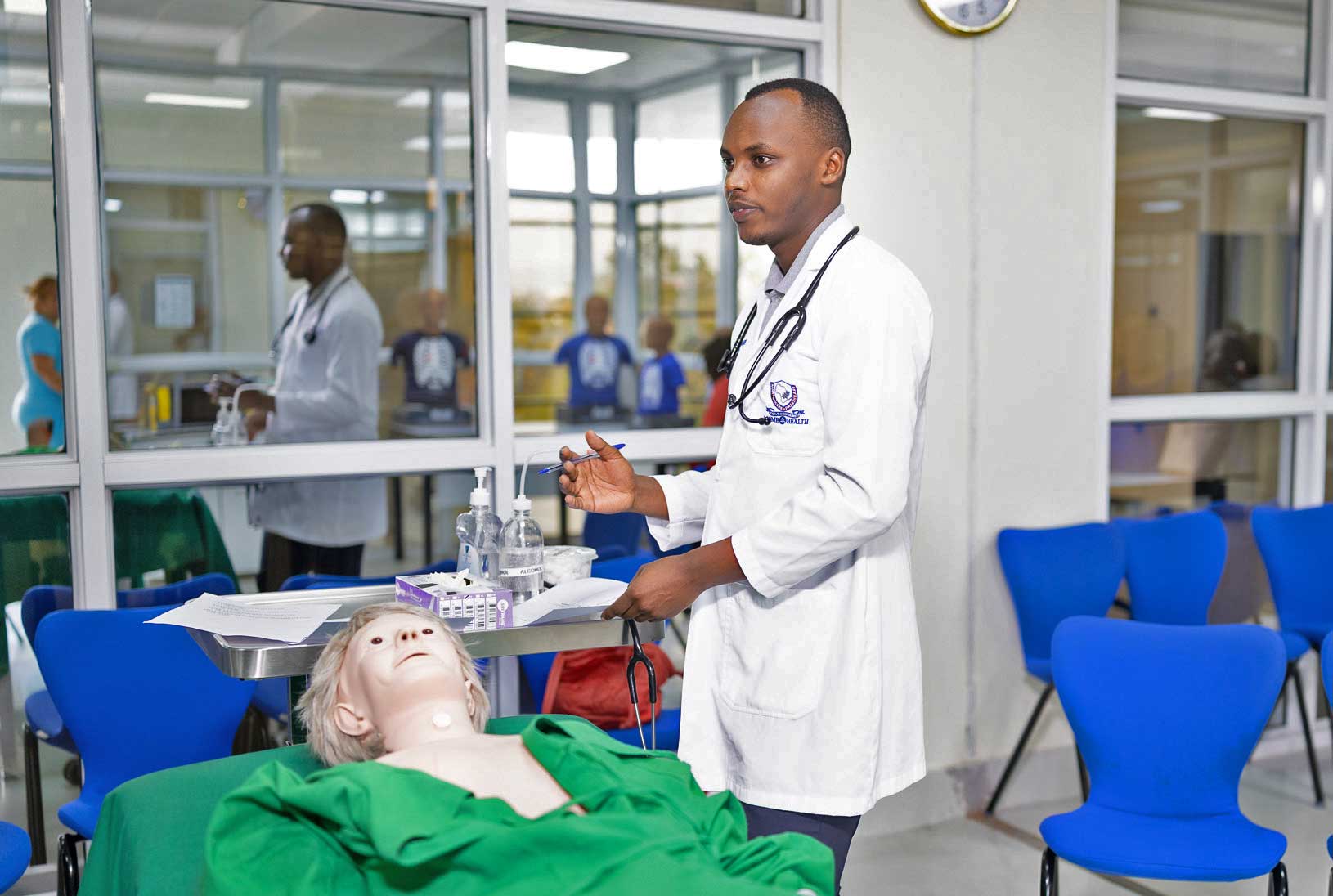
The Simulation Center is designed to mimic real-world clinical settings—from emergency rooms to labor and delivery suites. Here, students can hone their technical skills and decision-making abilities without risk to patient safety. Our mission is to foster clinical excellence, ethical integrity, and compassionate care through high-fidelity technology and collaborative learning.
Anatomy Lab


Biochemistry Lab

The Biochemistry lab enables students to get acquainted with the rapid expanding area of medical biochemistry. Biochemistry itself is the science of the living matter. In the lab, students study biochemical reactions that occur at the molecular level within living organisms. Biomedical techniques are applied to human health and disease. The scope of medical biochemistry encompasses the chemical components of the human body, the major chemical processes in the human body, nutrition and mineral metabolism, molecular genetics, heredity and genomics.

Histopathology Lab

The Histopathology Department is the diagnostic heart of our medical program, where students learn to identify disease through the meticulous study of tissues and cells. By mastering microscopic analysis and advanced staining techniques, students gain the expertise needed to diagnose complex conditions, including cancers and inflammatory disorders. Our curriculum emphasizes the bridge between cellular morphology and clinical outcomes, ensuring that every graduate can provide the accurate diagnostic foundation necessary for effective patient care.
Immunology Lab
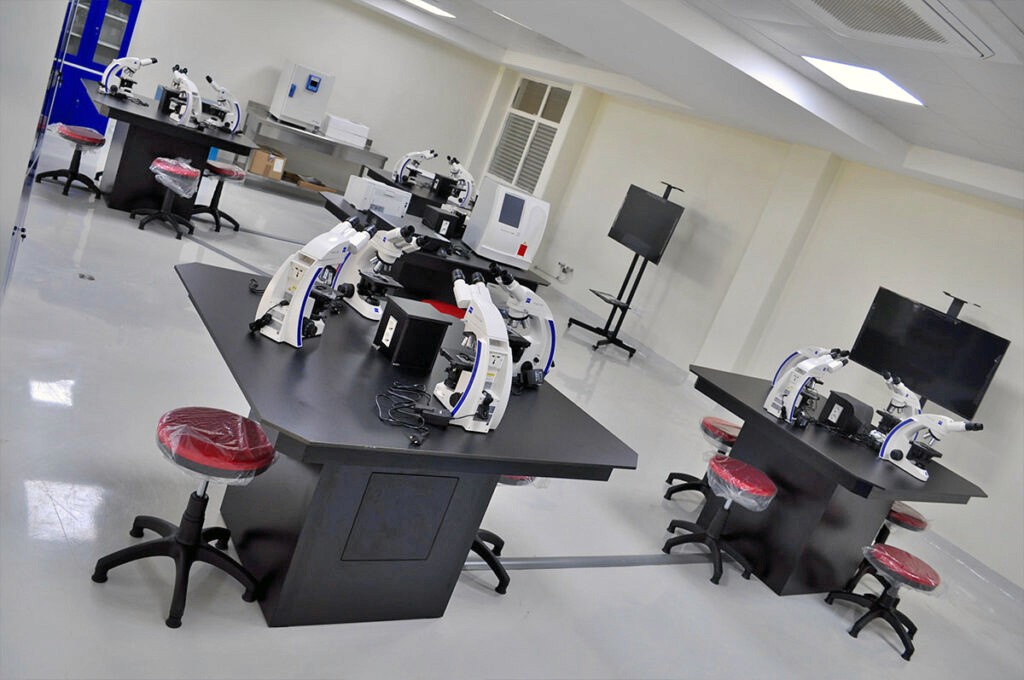
The Immunology Laboratory is responsible for laboratory testing and clinical consultation in several broad areas including the evaluation of autoimmune disease, immunodeficiency, immunoproliferative disorders, and allergy, as well as having responsibility for some aspects of infectious disease serology.
Microbiology Lab

The Microbiology Lab provides students with the critical skills needed to identify, analyze, and combat the pathogens that impact global health. Through hands-on training in bacteriology, virology, and mycology, students master diagnostic techniques—from advanced staining and cultures to molecular identification. This department focuses on the practical application of microbiology in clinical settings, ensuring that ASOME graduates can accurately diagnose infections and lead effective antimicrobial stewardship in their communities.
Physiology Lab

Our Physiology Laboratory is a hub of diagnostic training and pioneering research. Here, students master essential clinical procedures—including ECG, EEG, and respiratory testing—while utilizing advanced equipment to explore the body's response to exercise and extreme environments. By evaluating the mechanisms of chronic disease, our researchers and students work together to prove that exercise is medicine, translating lab data into therapeutic interventions that improve lives across the human spectrum.